What is DALL·E 2?
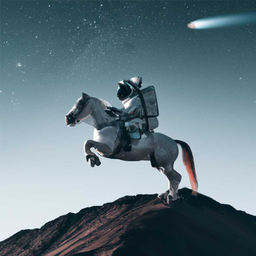
DALL-E 2 revolutionizes visual content creation by leveraging cutting-edge deep learning models to translate text into high-quality imagery. It solves the problem of high barrier-to-entry design by allowing users to generate complex visuals without needing manual drafting skills. By understanding the relationship between text and images, the platform produces diverse outputs ranging from photorealistic photos to stylized art. It is a powerful asset for creative professionals, marketing teams, and content creators looking to streamline prototyping and asset production through simple, descriptive language inputs.
Key Features
- Text to image synthesis
- High resolution image editing
- Variations through semantic manipulation
- Inpainting and outpainting capabilities
Pros
- Generates visuals very quickly.
- Lowers creative entry barriers.
- Produces highly realistic output.
Cons
- Occasional complex prompt failure.
- Limited fine-grained text control.
- Usage costs remain significant.
Who is Using DALL·E 2?
Graphic designers use DALL-E 2 to rapidly prototype visual concepts and mood boards, significantly accelerating their creative brainstorming sessions and client presentations.
Marketing managers utilize the tool to create unique social media assets and campaign visuals on demand without waiting for external creative agencies or designers.
Content creators and social media influencers leverage the AI to design custom thumbnails and illustrative blog headers that perfectly match their specific narrative branding.
Pricing
| Plan | Price | Key Features |
|---|---|---|
| Legacy DALL·E 2 | Legacy image modelText-to-image generationOpenAI image generation familyNew integrations should use newer image models | |
| GPT Image API | Usage-based | Current OpenAI image APIHosted image generationMultiple image modelsDeveloper integration |
Legacy DALL·E 2
- Legacy image model
- Text-to-image generation
- OpenAI image generation family
- New integrations should use newer image models
GPT Image API
Usage-based
- Current OpenAI image API
- Hosted image generation
- Multiple image models
- Developer integration